
When you’re considering spending £1,200 or more per tooth on veneers, one of the first questions that comes to mind is: how long will they actually last?
It’s a fair question. Veneers represent a significant investment in your smile, and you want to know you’re getting value for your money.
The honest answer? It depends on which type you choose and how well you look after them. But with the right care, porcelain veneers can last 15 to 20 years, making them one of the most durable cosmetic dental treatments available.
Porcelain Veneers: The Long Term Option
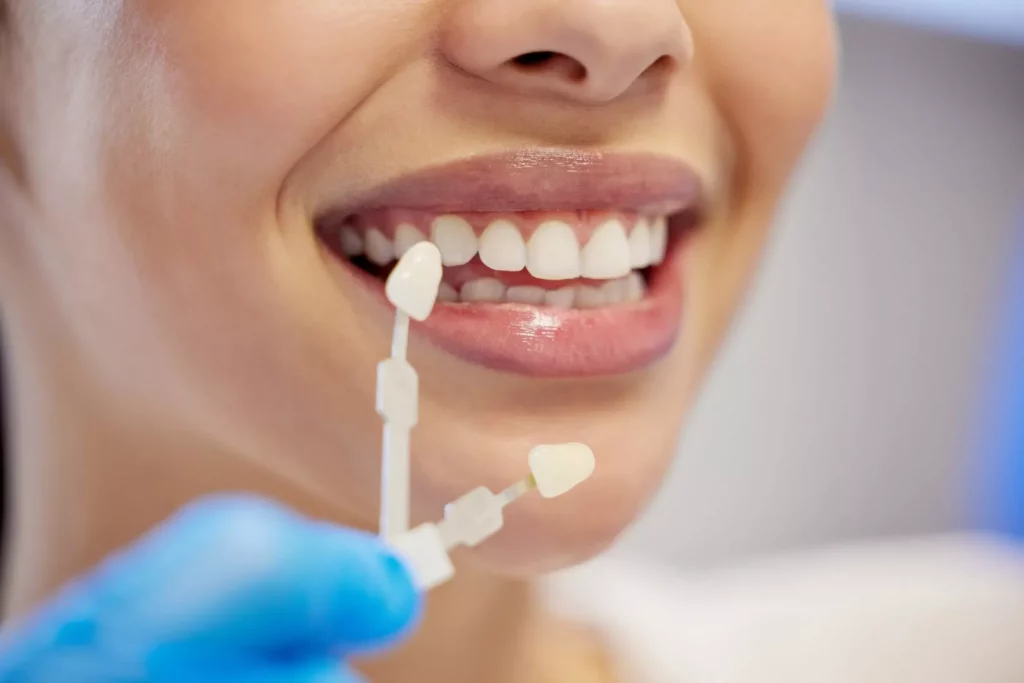
Porcelain veneers are the gold standard when it comes to longevity. Research published in peer-reviewed dental journals shows that porcelain veneers last an average of 10 to 15 years, with many lasting 20 years or more when properly maintained.
One study tracking 84 patients found that their porcelain veneers remained functional for a full 20 years. Another large scale review found that 95% of porcelain veneers survive for at least 10 years, with an 85% survival rate at the 15 year mark.
At The Harrogate Clinic, our porcelain veneers start from £1,200 per tooth. When you break that down over a 15 year lifespan, you’re looking at £80 per year for a permanently improved smile. Spread over 20 years? Just £60 annually.
The reason porcelain lasts so long comes down to the material itself. High quality dental porcelain is incredibly strong, highly stain resistant, and mimics the natural translucency of tooth enamel. It doesn’t wear down the way natural teeth or composite materials do, and it holds its colour and shine for decades.
Composite Veneers: The Shorter Lifespan
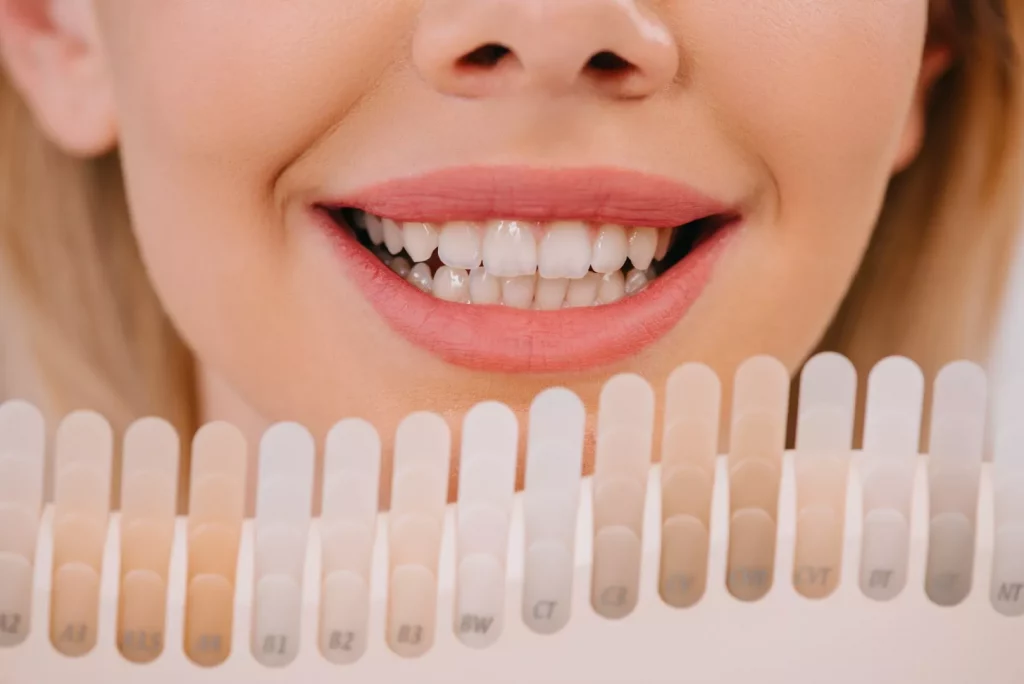
Composite veneers, which can be created directly on your teeth in a single appointment, typically last 5 to 7 years. Some last slightly longer with exceptional care, but most need replacing within this timeframe.
At our clinic, direct veneer bonding starts from £420 per tooth, while lab-made composite veneers cost from £980. The lower upfront cost is attractive, but when you factor in replacements, the total cost of ownership can actually exceed porcelain over time.
If you get composite veneers at age 30, you might need them replaced 3 or 4 times over your lifetime. That’s £1,260 to £1,680 per tooth just in replacement costs, not counting the original procedure. With porcelain, you’d likely need just one or two replacements in the same period.
The trade off? Composite veneers are easier to repair if they chip, they require less tooth preparation, and they’re fully reversible. For some patients, particularly younger ones who want to preserve maximum tooth structure, that flexibility is worth the shorter lifespan.
What Actually Affects How Long Veneers Last
Material choice is important, but it’s not the only factor that determines veneer longevity. Your habits, oral hygiene, and even the skill of your dentist all play crucial roles.
Your Oral Hygiene Routine
Veneers are bonded to your natural teeth, which means the health of those underlying teeth directly affects how long the veneers last. If you develop decay or gum disease beneath a veneer, it compromises the bond and shortens the veneer’s lifespan.
Brushing twice daily, flossing regularly, and attending six monthly check ups aren’t optional extras. They’re essential maintenance that protects both your natural teeth and your investment in veneers.
Regular hygiene appointments (from £99 for a Hollywood scale and polish at our clinic) remove plaque buildup that can affect the margins where your veneer meets your natural tooth. This prevents the gum recession and decay that cause most veneer failures.
Teeth Grinding and Clenching
Bruxism, the technical term for teeth grinding, is one of the biggest threats to veneer longevity. The excessive force from grinding can crack porcelain veneers or wear down composite ones far faster than normal use.
If you grind your teeth at night, a custom night guard (from £178 at The Harrogate Clinic) is essential. It protects your veneers from the hundreds of pounds of pressure your jaw can generate while you sleep.
Even mild clenching during the day can reduce veneer lifespan over time. Many people don’t realize they’re doing it until their dentist points out wear patterns during an examination.
Your Diet and Habits
Veneers are strong, but they’re not indestructible. Biting into hard foods like ice, hard sweets, or unpopped popcorn kernels can chip or crack them. Using your teeth as tools to open packages, bite nails, or hold objects puts unnecessary stress on veneers that shortens their life.
Highly acidic foods and drinks, while they won’t stain porcelain the way they stain natural teeth, can affect the bonding cement and weaken the attachment over time. Moderation is key.
For patients who play contact sports, a properly fitted mouthguard is non negotiable. One hard blow to the face can damage veneers that might otherwise have lasted 20 years.
The Quality of Placement
Not all veneers are created equal, and not all dentists have the same level of expertise placing them. Proper tooth preparation, precise veneer design, and expert bonding technique all affect how long veneers last.
A study from 2024 found that 7.2% of veneers experienced some degree of failure like cracks or loosening. Interestingly, 99% of veneers confined to just the enamel layer didn’t experience any issues. This highlights why working with an experienced cosmetic dentist who understands proper tooth preparation makes such a difference.
At The Harrogate Clinic, we use iTero 3D scanning to ensure precise veneer design and fit. This digital technology creates veneers that sit perfectly on your teeth, with margins that seal tightly against the tooth surface. Better fit means longer lasting results.
Signs Your Veneers Need Replacing
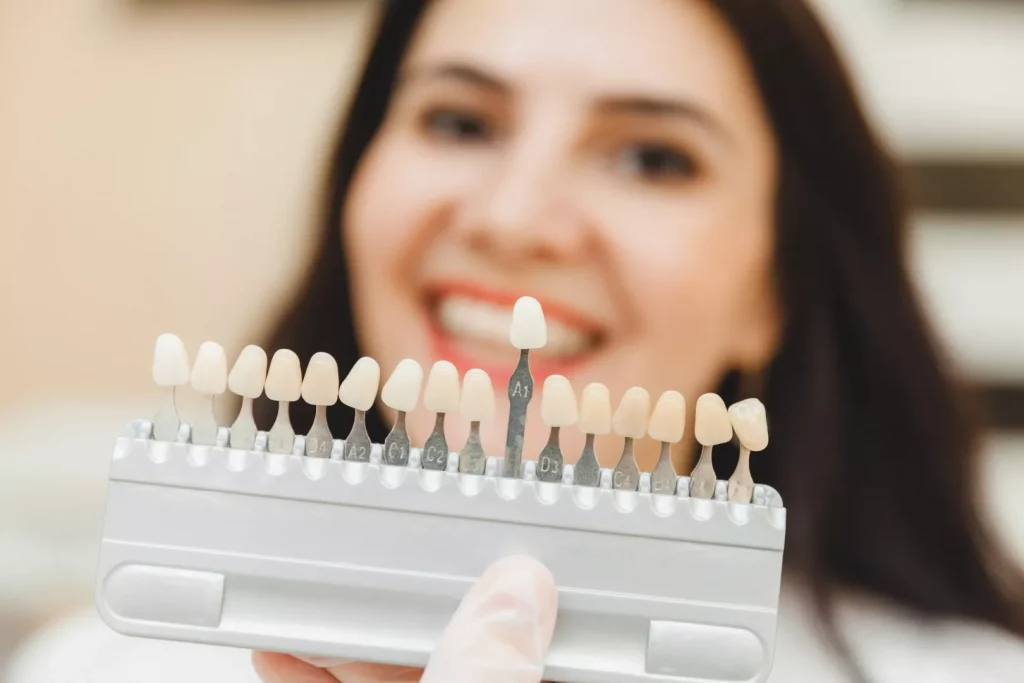
Even well maintained veneers show wear over time. Knowing when to replace them prevents more serious problems developing.
Visible cracks are an obvious sign, but more subtle indicators include veneers that look dull compared to your other teeth, edges that feel rough or catch on your tongue, or sensitivity in the underlying tooth.
Gum recession around a veneer exposes the margin where the veneer meets your natural tooth, creating a visible line and potentially allowing decay to develop. This doesn’t necessarily mean the veneer has failed, but it does mean you need an assessment.
If you attend your twice yearly check ups, we’ll spot these issues early. Many problems can be addressed before they become serious, extending your veneers’ lifespan and protecting your underlying teeth.
Making Veneers Last Longer
You can’t control every factor that affects veneer longevity, but you can stack the odds in your favour with good habits.
Use a soft bristled toothbrush and non abrasive toothpaste. Harsh scrubbing won’t damage porcelain veneers the way it might composite ones, but it can irritate your gums and cause recession that exposes veneer margins.
Cut hard foods into smaller pieces rather than biting into them with your front teeth. This is particularly important if you have veneers on your front teeth, which receive the most biting force.
If you drink coffee, tea, or red wine regularly, rinse your mouth with water afterward. While porcelain veneers resist staining far better than natural teeth, the bonding cement at the margins can discolour over time.
Avoid DIY whitening products unless specifically approved by your dentist. Some whitening treatments can affect the bonding between your veneer and tooth, potentially shortening the veneer’s lifespan.
The Investment Perspective
When patients ask whether veneers are worth the cost, the answer depends partly on how long they expect them to last.
A £1,200 porcelain veneer that lasts 15 years costs £80 per year. If it lasts 20 years, that drops to £60 annually. For many people, that’s excellent value for a permanent improvement to their smile.
Composite veneers at £980 lasting 7 years cost £140 per year. Still reasonable, but the frequent replacements mean more dental appointments, more time in the chair, and more opportunities for complications.
The decision isn’t purely financial. Some patients prefer composite because it’s less invasive initially, preserving more natural tooth structure. Others prioritize longevity and choose porcelain despite the higher upfront cost.
Your Next Steps

If you’re considering veneers and want to understand which option suits your situation best, book a consultation with our team. During your patient examination (£129), we’ll assess your teeth, discuss your goals, and explain exactly what each veneer type would involve.
We’ll be honest about which option we think will serve you best long term. If your teeth grinding makes porcelain veneers risky, we’ll tell you. If your budget makes composite more practical, we’ll explain how to maximize their lifespan.
For patients interested in less invasive options, we also offer direct veneer bonding from £420, which requires minimal tooth preparation and can be completed in a single visit.
Looking for a complete smile transformation? Many patients combine veneers with teeth whitening to create a cohesive, natural looking result.
Call us on 01423 226702 or book online. We’re here to help you make an informed decision about investing in your smile.