
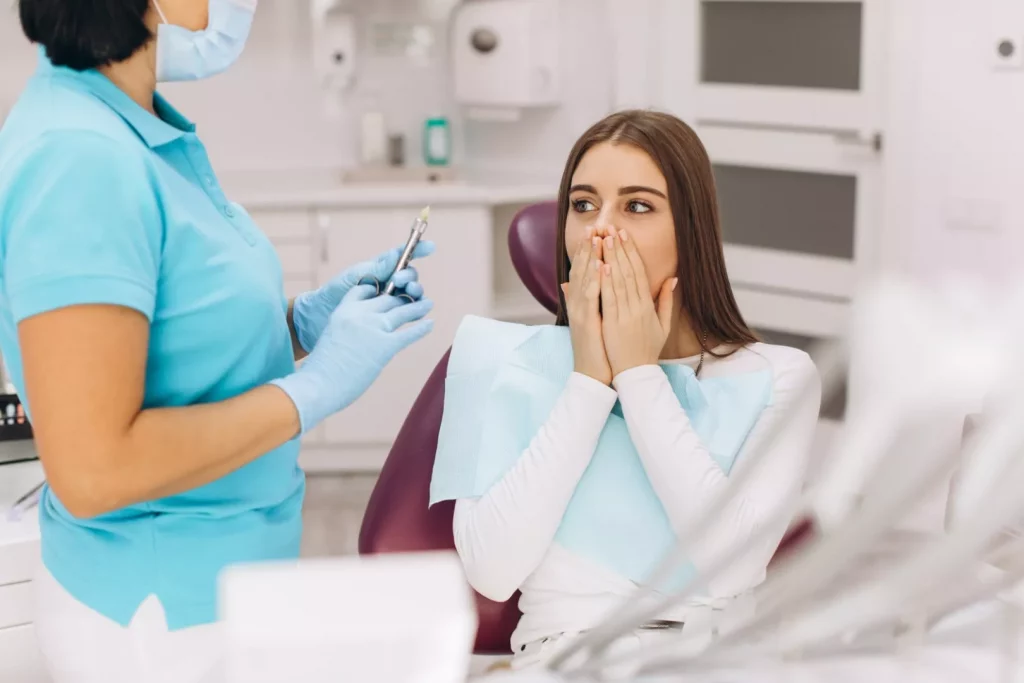
You’re not alone. More than half of UK adults (52%) admit they’re afraid of visiting the dentist, and for some, that fear is so intense it becomes a phobia that stops them seeking care entirely.
At The Harrogate Clinic, we see anxious patients every single day. Some haven’t been to a dentist in years. Others had a traumatic childhood experience they’ve never forgotten. Many just feel an overwhelming sense of dread they can’t quite explain.
We get it. And more importantly, we’ve built our entire approach around helping you feel safe, comfortable, and in control.
Why Dental Anxiety Is So Common
Dental fear isn’t irrational or uncommon. Research shows that 12% of UK adults have anxiety levels so high they meet the criteria for dental phobia. That’s roughly one in eight people who avoid dentists unless facing an absolute emergency.
The most cited reason? Fear of pain. Nearly half (48%) of anxious patients say pain is their biggest concern, followed by fear of drilling (41%) and worries about treatment costs (37%).
But there’s more to it than that.
For many people, dentistry triggers a fear of loss of control. You’re lying back in a vulnerable position while someone hovers over you, working inside your mouth. You can’t talk easily. You can’t see what’s happening. That loss of control activates the same fight or flight response your body uses to protect you from genuine threats.
Past experiences matter enormously. Studies show that 80% of dental phobia originates from previous traumatic experiences, often in childhood. One painful appointment, one dismissive dentist, or one procedure that took too long can create anxiety that lasts decades.
Even if you’ve never had a bad experience yourself, cultural messaging about dentists being scary can create anticipatory anxiety. Films, television, and stories from friends all contribute to building fear around something that should be routine healthcare.
What Happens When You Avoid The Dentist
The irony of dental anxiety is that avoiding appointments makes everything worse.
When you skip regular check ups, small problems become big ones. A cavity that could have been filled with a simple procedure turns into root canal treatment. Gum disease that could have been managed with a cleaning progresses until teeth loosen.
Research from King’s College London found that people with dental phobia have significantly worse oral health, higher rates of tooth decay, and more missing teeth than those without anxiety. By the time they finally seek help, their oral health has often deteriorated so severely that treatment becomes more complex, more expensive, and more time consuming.
That creates a vicious cycle. The worse your oral health gets, the more anxious you feel about facing a dentist, so you avoid it longer, which makes the problem worse still.
How We Make Visits Less Frightening

Every member of our team understands that dental anxiety is real, valid, and manageable with the right approach. We’ve spent years developing strategies that help anxious patients feel comfortable enough to get the care they need.
We Start With Conversation, Not Treatment
Your first visit doesn’t have to involve any dental work at all. Many of our anxious patients book a consultation (£50 for 15 to 30 minutes) where we simply talk.
We want to hear about your fears, your past experiences, and what specifically makes you anxious. We’ll explain exactly what would happen during treatment, answer every question you have, and show you the equipment we use so there are no surprises.
Some patients find it helpful to tour the practice, meet the team, and sit in the dental chair without any treatment happening. That familiarity reduces the fear of the unknown.
You Control The Pace
We establish clear hand signals before any procedure begins. If you need a break, you raise your hand and we stop immediately. No questions asked.
Some patients need frequent breaks. That’s fine. Some want to hold the saliva suction themselves so they feel more in control. Also fine. Others bring a friend or family member to hold their hand during treatment. Absolutely encouraged.
The key principle is simple: this is your appointment, happening at your pace, with your comfort as the priority.
We Explain Everything Before We Do It
One of the biggest triggers for dental anxiety is not knowing what’s happening. We’ve found that detailed explanations before and during treatment dramatically reduce fear.
Before we start, we walk you through exactly what we’ll do, what sensations you might feel, and how long each step will take. During treatment, we continue explaining what’s happening so you’re never left wondering.
We also avoid negative language. Instead of “this might hurt,” we say “you’ll feel some pressure.” Small changes in phrasing make a real difference to how you experience the appointment.
We Create A Calming Environment
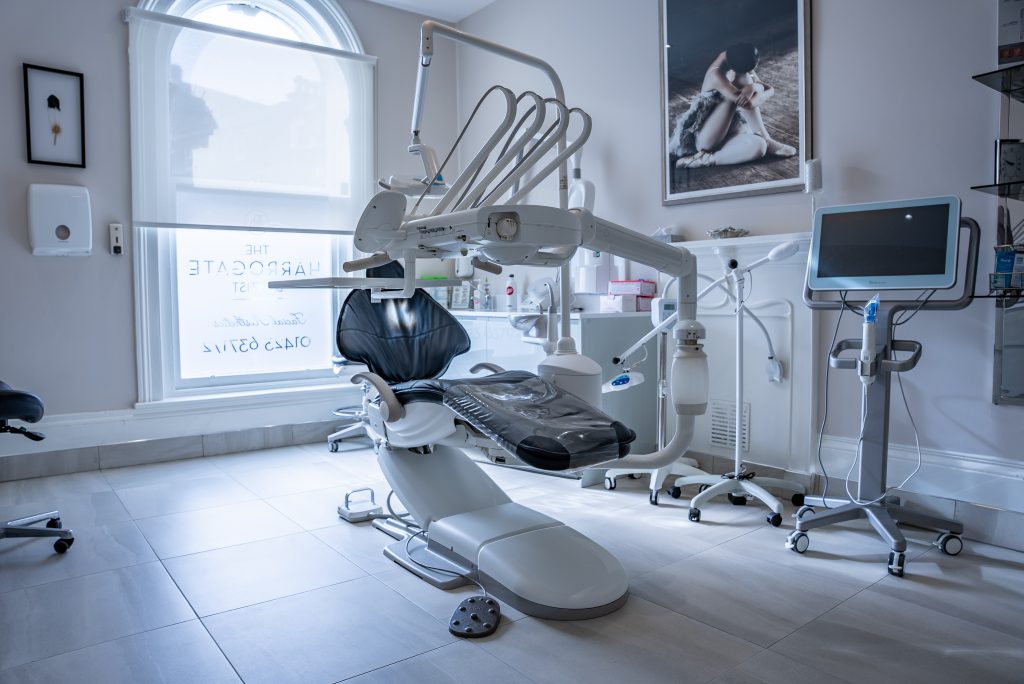
Our practice was designed with anxious patients in mind. The colour scheme, the lighting, the music playing softly in the background, every detail contributes to creating a calm, welcoming atmosphere rather than a clinical, intimidating one.
We offer distractions if they help you. Some patients bring headphones and listen to music or podcasts. Others watch something on their phone or tablet. We encourage whatever makes you feel more comfortable.
For patients who find certain aspects particularly triggering, we can accommodate specific requests. If the sound of the drill bothers you, noise cancelling headphones help. If you’re uncomfortable lying flat, we can adjust the chair position.
We Use The Latest Gentle Techniques
Modern dentistry has come a long way. The treatments that frightened previous generations are nothing like what we do today.
Local anaesthetic means you shouldn’t feel pain during procedures. We apply numbing gel before the injection itself, so you don’t even feel the needle much. For patients with severe injection phobia, we can discuss sedation options.
Our iTero 3D scanning eliminates the need for uncomfortable impressions that trigger gagging. Digital X-rays are faster and more comfortable than traditional films.
Many procedures that once required multiple visits can now be completed in one appointment, reducing the number of times you need to face your fear.
Sedation For Severe Anxiety
For patients whose anxiety is so severe that even with all these measures they struggle to cope, we can discuss sedation options.
Conscious sedation keeps you awake and able to respond, but deeply relaxed and with little memory of the procedure afterward. It’s not suitable for everyone, but for those with genuine phobia, it can make the difference between getting treatment and continuing to avoid care.
What Our Anxious Patients Tell Us
We regularly hear from patients who haven’t visited a dentist in 10, 15, even 20 years because of fear. Many expect judgment or criticism when they finally come in.
They’re always surprised when that doesn’t happen.
One patient wrote: “Ashamedly I hadn’t been to the dentist in over 15 years due to phobia based on past experiences. I originally went to Dr Shoreh as an emergency for excruciating toothache. The entire staff are so welcoming and friendly and put me at ease. I am now slowly but surely working through all my dental issues with the team and overcoming my phobia thanks to the kind staff at the Harrogate clinic.”
Another said: “I cannot praise this practice highly enough. I am severely dental phobic and have not been to a dentist for many years. A dental emergency meant I had no choice and I was terrified. Everyone was fantastic at every stage. Dr Ghasmi was amazing. She talked me through every stage and reassured me at all times and I never felt a jot of pain.”
These aren’t rare exceptions. This is how we approach every anxious patient, every time.
Small Steps Forward
Overcoming dental anxiety doesn’t happen overnight. For many patients, it’s a gradual process of building trust and having positive experiences that slowly replace the negative ones.
Your first visit might just be a conversation and an examination. Your second might involve a simple cleaning. Each positive experience makes the next appointment a little less frightening.
Research on treating dental phobia shows that Cognitive Behavioural Therapy (CBT) combined with gradual exposure to dental treatment is highly effective. While we’re not psychologists, our approach incorporates similar principles: breaking treatment into manageable steps, challenging negative thoughts with positive experiences, and building confidence gradually.
Your Next Step

If dental anxiety has kept you from getting care, the hardest part is making that first contact. But you don’t have to commit to treatment. You don’t even have to sit in the dental chair if you’re not ready.
Call us on 01423 226702 and tell whoever answers that you’re anxious about dentistry. That conversation alone might help you feel less alone with your fear.
We can schedule a consultation where we just talk, with no pressure to proceed with treatment. We can answer your questions, show you around, and help you understand exactly what would happen if you did decide to book treatment.
For patients in pain or facing an emergency, we’re available 24/7. We understand that dental emergencies don’t wait for convenient times, and we’re here to help when you need us.
If cost is part of your anxiety, ask about our practice plan, which spreads the cost of routine care across manageable monthly payments.
You can also book online if phone calls make you anxious. Just mention in the notes that you’re a nervous patient so we know to take extra care from the moment you arrive.
You Deserve Good Oral Health
Dental anxiety is real, but it doesn’t have to control your life or your health. With the right support, most anxious patients find they can manage their fear well enough to get the care they need.
Your oral health affects your overall health, your confidence, and your quality of life. You deserve to smile without pain, to eat without discomfort, and to feel good about how you look.
We’re here to help you get there, one small step at a time, at whatever pace feels manageable for you.