
When you lose a tooth, the decision about how to replace it can feel overwhelming. You’ve probably heard about dental implants, bridges, and dentures, but one question keeps coming up: are dental implants really worth the cost?
Working with patients across Harrogate every day, we understand the hesitation. At The Harrogate Clinic, our single tooth implant with crown costs £3,200, significantly more than alternative options. It’s natural to wonder whether that investment is justified.
The honest answer? For most people, yes. But not for everyone. Let me explain why.
What Makes Dental Implants Different
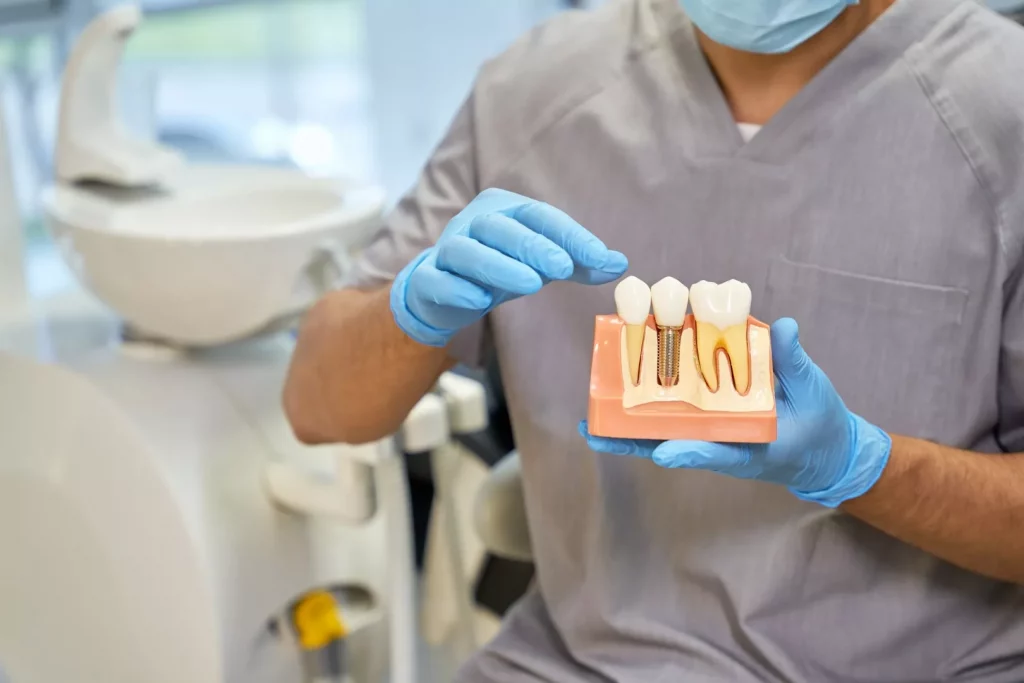
Unlike bridges or dentures that sit on top of your gums, dental implants work like your natural teeth. A small titanium post (priced at £2,500 for the surgery) is placed into your jawbone, where it fuses with the bone over several months. Once healed, a custom crown is attached, giving you a replacement tooth that looks, feels, and functions just like the real thing.
This fundamental difference affects everything: how long they last, how they feel, and what they mean for your long-term oral health.
The Real Cost Comparison
Yes, implants cost more upfront. Our complete single tooth implant at £3,200 includes both the surgical placement and the crown. Compare this to a bridge at £1,200 per unit (typically requiring three units for one missing tooth, totalling around £3,600) or complete dentures starting from £1,790.
But here’s what those initial numbers don’t tell you.
Dental implants typically last 20 to 30 years, and with proper care, many last a lifetime. The titanium post itself rarely needs replacing. You might need a new crown after 10 to 15 years (costing around £500 to £1,000), but that’s a straightforward procedure compared to the original placement.
Compare that to bridges, which generally need replacing every 10 to 15 years, or dentures, which last 5 to 8 years before requiring replacement. According to recent data from UK dental practices, implants have a success rate of 95 to 98% at 10 years, making them one of the most predictable treatments in dentistry.
When you calculate the cost per year, implants often work out cheaper in the long run. A £3,200 implant that lasts 25 years costs you £128 per year. A £1,790 denture that needs replacing every 7 years? That’s £256 per year, not including adjustment appointments and adhesives.
What Patients Notice Most
The difference between implants and other options becomes obvious the moment you start using them.
With teeth whitening or veneers, patients are thrilled with their new smile. With implants, they’re amazed they can forget they ever lost a tooth.
Implants don’t slip when you eat. They don’t require special cleaning routines or overnight soaking. You don’t need to avoid certain foods or worry about them clicking when you speak. For most people, this everyday convenience is worth more than the price difference.
Dentures can cause sore spots, affect taste, and make eating certain foods difficult. Bridges require special flossing tools and can make the supporting teeth more vulnerable to decay. Implants? You brush and floss them just like your natural teeth.
The Hidden Benefits You Can’t See
Perhaps the most important advantage of implants has nothing to do with appearance or convenience. It’s what happens to your jawbone.
When you lose a tooth, the bone that once supported it begins to shrink. This process, called resorption, continues over time and can change the shape of your face, making you look older. It also makes future tooth replacement more difficult and expensive, as there’s less bone to work with.
Dental implants are the only tooth replacement option that stops this bone loss. The titanium post stimulates the bone just like a natural tooth root, keeping it healthy and strong. This is why many dentists recommend implants even for patients who aren’t initially concerned about bone preservation. It makes everything easier down the line.
Bridges and dentures do nothing to prevent bone loss. In fact, dentures can actually speed up the process by putting pressure on the gums and underlying bone.
When Additional Procedures Are Needed
Not everyone is ready for immediate implant placement. Some patients need preparatory work first.
If you have insufficient bone density, a block bone graft (from £790 at our clinic) may be necessary to create a stable foundation. For upper teeth near the sinus cavity, a sinus graft (from £890) creates the space needed for proper implant placement.
These additional costs can feel discouraging, but they’re essential for long-term success. A properly prepared implant site dramatically improves your chances of a successful outcome that lasts decades.
During your consultation (£50 for 15 to 30 minutes), we’ll assess whether you need any preparatory procedures and discuss the complete treatment plan with transparent pricing.
When Implants Might Not Be Right For You
Despite all these advantages, implants aren’t always the best choice.
If you have multiple missing teeth in a row, a bridge or implant-supported denture might be more practical and cost-effective than individual implants. If you have significant bone loss requiring extensive grafting, the combined costs might stretch your budget too far.
Some health conditions affect healing and can reduce implant success rates. Uncontrolled diabetes, heavy smoking, or certain medications can make implants riskier. During your consultation, we’ll assess whether you’re a good candidate and discuss any concerns you might have.
Cost is also a genuine consideration. If the upfront expense stretches your budget too far, a bridge or denture might be a more sensible choice, especially if you’re facing other significant dental work. We offer flexible approaches to help spread the cost, but you should never feel pressured into treatment you can’t comfortably afford.
What About Going Abroad?
We’re often asked about dental tourism, particularly Turkey, where implants cost 50 to 70% less than UK prices.
The lower cost is real, but so are the risks. Success rates at overseas clinics run significantly higher for complications compared to UK practices. If something goes wrong, you’ll need to fly back for corrections or find a UK dentist willing to fix someone else’s work, which isn’t always straightforward.
UK practices follow strict General Dental Council standards, use high-quality materials with decades of clinical data, and provide easy access to follow-up care. For a treatment that’s meant to last decades, that peace of mind is valuable.
Making Your Decision

At The Harrogate Clinic, we’ve seen hundreds of patients go through this decision-making process. The ones who are happiest with implants tend to have a few things in common.
They value long-term solutions over short-term savings. They want something that feels natural and doesn’t require daily hassle. They’re committed to maintaining good oral hygiene and attending regular check-ups.
If that sounds like you, implants are probably worth serious consideration.
But there’s no one-size-fits-all answer. A 30-year-old professional who lost a front tooth in an accident has very different needs from a 75-year-old who’s missing several back teeth. Your oral health, budget, and personal priorities all matter.
The best way forward is to book a consultation where we can assess your specific situation, take scans of your jawbone, discuss your goals, and explain exactly what treatment would involve. We’ll give you honest advice about whether implants are right for you, and if they’re not, we’ll explain what alternatives might work better.
Your Next Steps

If you’re considering dental implants in Harrogate, the first step is understanding your options. We offer comprehensive patient examinations (£129) where we can thoroughly assess your dental health, discuss your goals, and create a treatment plan tailored to your needs.
Many of our patients have questions about the procedure, recovery time, or whether they’re suitable candidates. We’re happy to answer all of these during your consultation, with no pressure to proceed.
You can book online through our contact page or call us on 01423 226702. We also offer emergency dental appointments if you’re dealing with a lost tooth and need immediate advice.
For patients worried about managing costs, ask about our practice plan, which includes regular check-ups and can help you maintain your dental health over time.
The decision to invest in dental implants is personal, but it shouldn’t be mysterious. We’re here to give you clear, honest information so you can make the choice that’s right for you.